

A dark close (X) icon made of two diagonal crossing lines with rounded ends.
Resources page
A white right-pointing chevron arrow icon
How painful is skin removal surgery?

How painful is skin removal surgery?

During the surgery, you won't feel any pain due to general anaesthesia. Post-surgery, discomfort is most intense in the first few days and gradually decreases over time. Pain is typically managed with prescribed painkillers and self-care strategies.
Professional headshot of Professor Ash Mosahebi, a middle-aged man with a shaved head and short dark stubble, wearing a dark suit jacket, white dress shirt, and a brown patterned tie, smiling gently at the camera.
Professor Ash Mosahebi
June 26, 2026
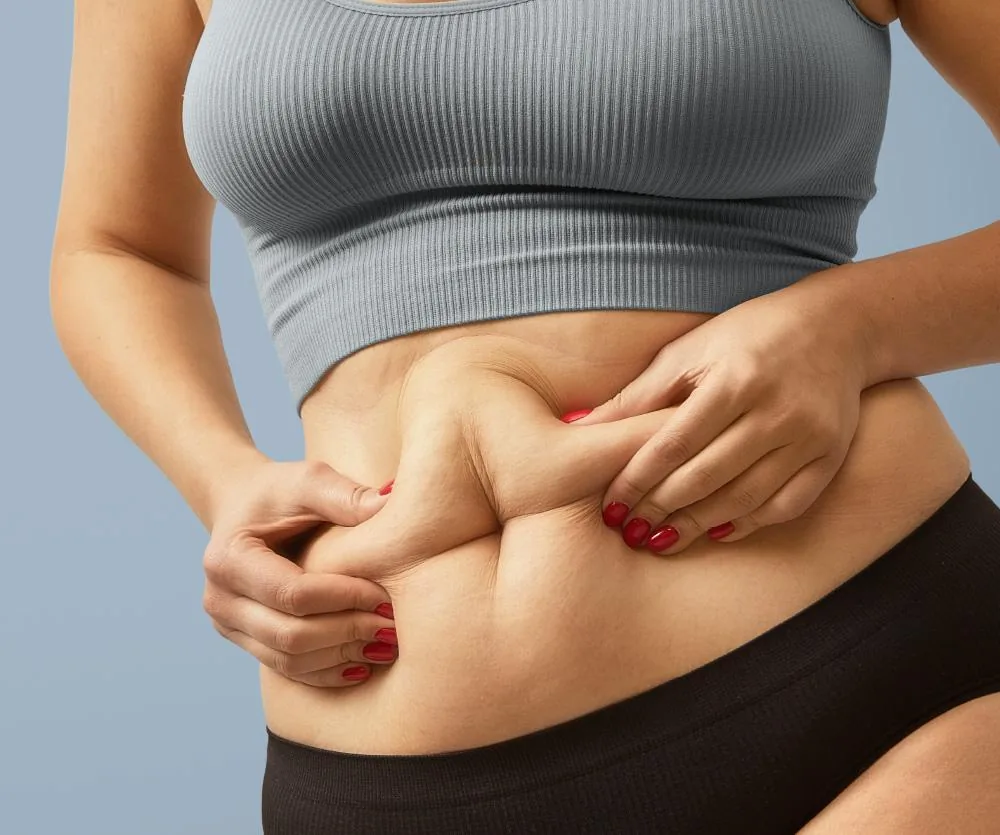
A woman in a gray ribbed crop top and black shorts pinching excess abdominal skin and belly fat with both hands, illustrating loose skin or body fat on the midsection, relevant to topics such as skin removal surgery or body contouring.

During recovery

Recovery from skin removal surgery can be uncomfortable, especially in the first 7 to 10 days. Most people describe the pain as a feeling of tightness, pulling, or soreness in the treated areas. The intensity of pain depends on the extent of the surgery and the areas affected (e.g., tummy, thighs, arms). Movement can make the pain more noticeable, particularly when stretching or engaging core muscles.  

What movements may cause pain?

Certain movements are more likely to cause pain during the recovery period. Here’s a list of actions that may feel uncomfortable:

  • Bending forward (common after tummy tucks or lower body lifts)
  • Reaching overhead (common after arm lifts or breast lifts)
  • Twisting your torso (affects people after abdominoplasty or back lifts)
  • Sitting or standing up from a low chair (for lower body procedures)
  • Lifting objects (lifting heavy items or small children may cause pulling or tightness)

Reduce the pain and simplify everyday tasks

To make your recovery more comfortable, it's wise to plan ahead and make daily tasks easier. Here’s how to prepare:

  • Have someone to assist you: During the first week, movements like dressing, cooking, and bathing may be difficult. Ask a family member or friend to help with daily tasks.
  • Set up a recovery space: Arrange a comfortable area with pillows, blankets, and easy access to essentials like snacks, water, medication, and your phone.
  • Use helpful tools: Devices like grabbers (to pick up items) and recliner chairs (for a more upright sleeping position) can reduce strain on surgical areas.
  • Plan meals in advance: Prepare and freeze meals before surgery to avoid cooking during recovery. This reduces the need for lifting pots, pans, or groceries.
  • Avoid strenuous activity: Heavy lifting, gym workouts, and intense movements are off-limits for at least 4-6 weeks, depending on your procedure. Follow your surgeon’s advice for when you can return to normal activities.

A male patient lying shirtless on a treatment bed wearing a disposable hair net, while a medical professional in a white lab coat and blue latex gloves applies a body sculpting device to his abdomen in a clinical setting.

During surgery

You won’t feel any pain during excess skin removal surgery because it’s performed under general anaesthesia. The anaesthesiologist ensures you are fully unconscious, so you won’t be aware of the surgery or feel any sensations.

Once the procedure is complete, you’ll gradually wake up in the recovery room. You might feel groggy or disoriented at first, but pain is typically managed with medication from the moment you wake up. The surgical team will monitor you to ensure your pain is under control before you are discharged or moved to a recovery unit.

The use of local anaesthesia at the surgical site (alongside general anaesthesia) may also help reduce post-surgery pain in the first few hours after waking up.
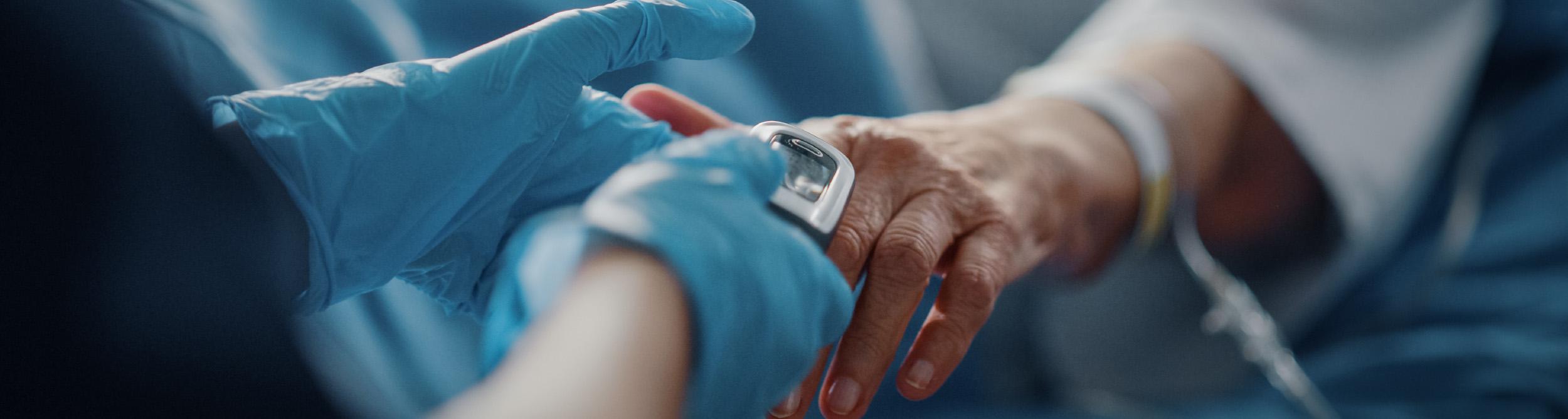
A male patient lying shirtless on a treatment bed wearing a disposable hair net, while a medical professional in a white lab coat and blue latex gloves applies a body sculpting device to his abdomen in a clinical setting.

Manage pain through Adoreal

Adoreal makes it easier to prepare for surgery, manage pain, and plan a smooth recovery. With personalised guidance, access to trusted clinics, and expert insights on excess skin removal, you’ll have all the support you need every step of the way.

Get the confidence and control you deserve. Create an account or sign in to connect with experts, explore your treatment options, and prepare for a successful recovery.

We’re ready when you are.

Explore treatments, find a trusted practice, and move forward on your terms.
Two women walking confidently across a pedestrian crosswalk on a sunny Parisian street. The first woman wears a gray oversized sweatshirt, wide-leg dark trousers, and carries a small woven black handbag, with one arm outstretched pointing ahead. The