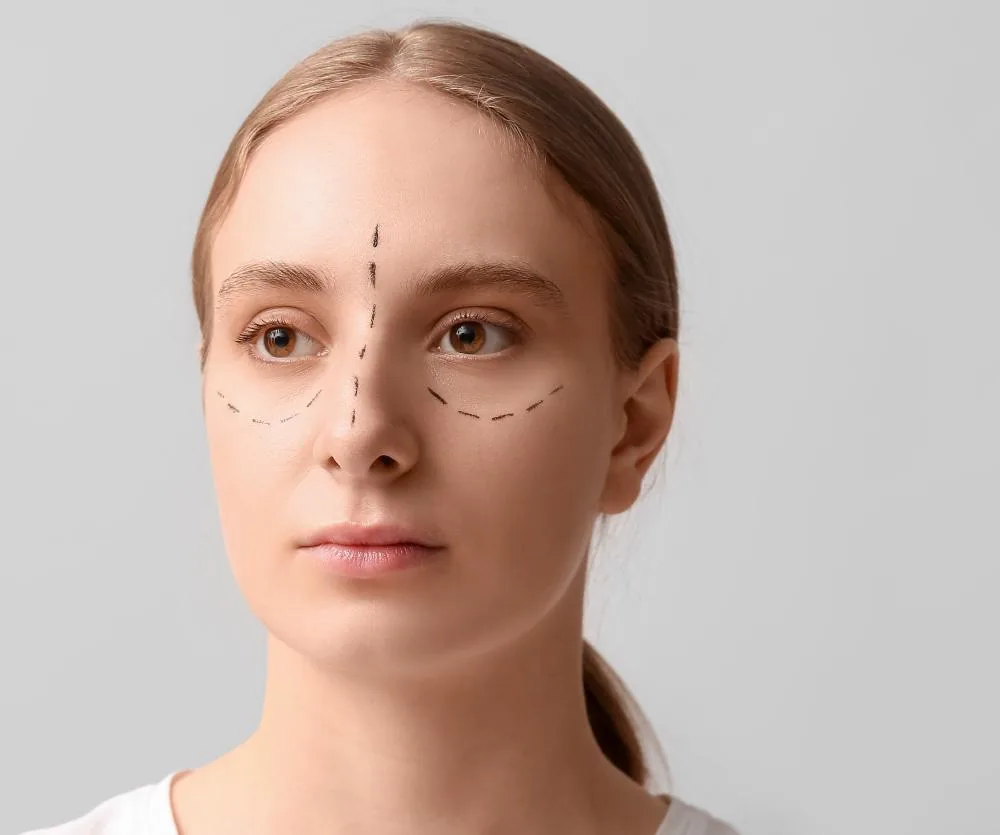



Eyelid surgery (blepharoplasty)
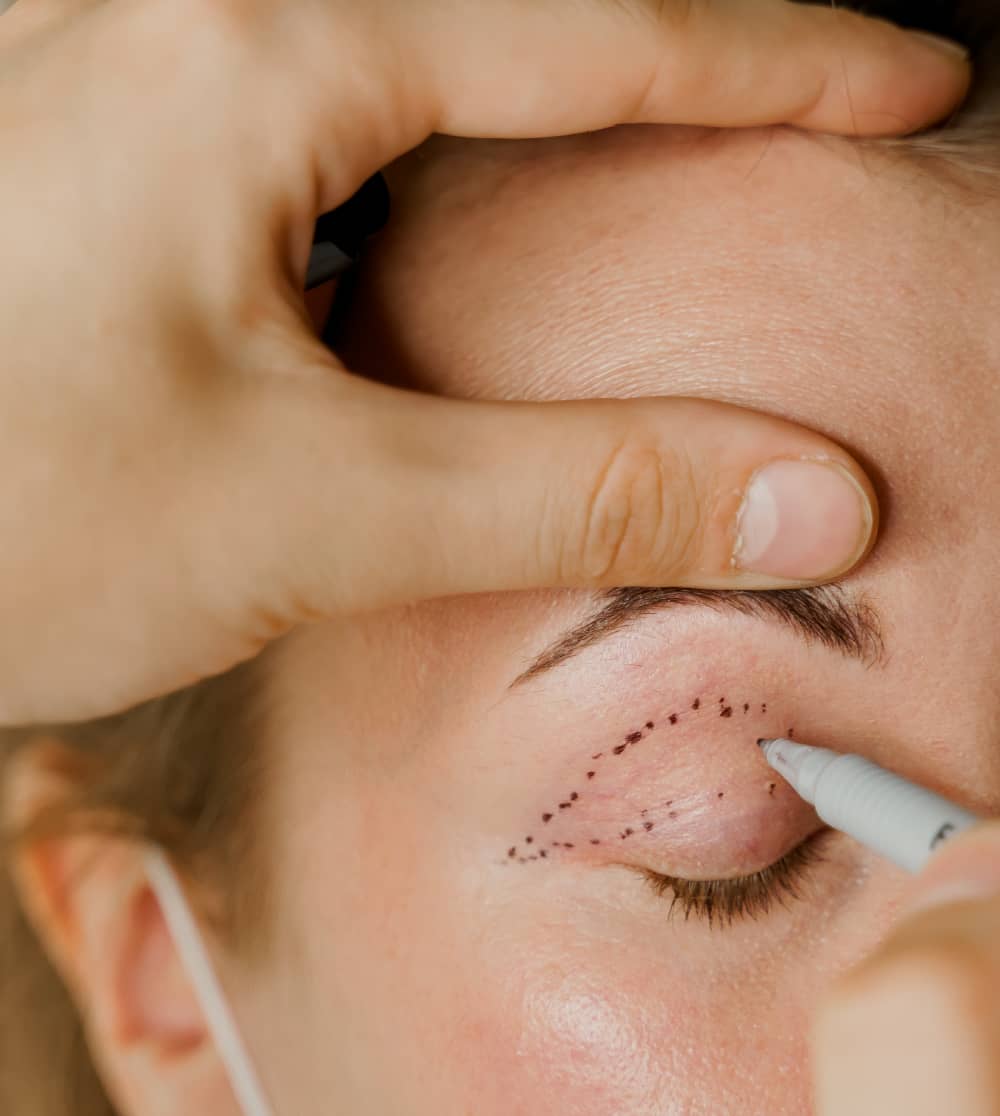
Blepharoplasty typically concludes of removing excess skin, eliminating unwanted fat pockets and tightening the surrounding muscles
Benefits
- Rejuvenate the area around the eyes
- Improve peripheral vision
- Address issues like under-eye bags, puffiness, and wrinkles
- Generally long-lasting results
- Boosted self-confidence
The procedure
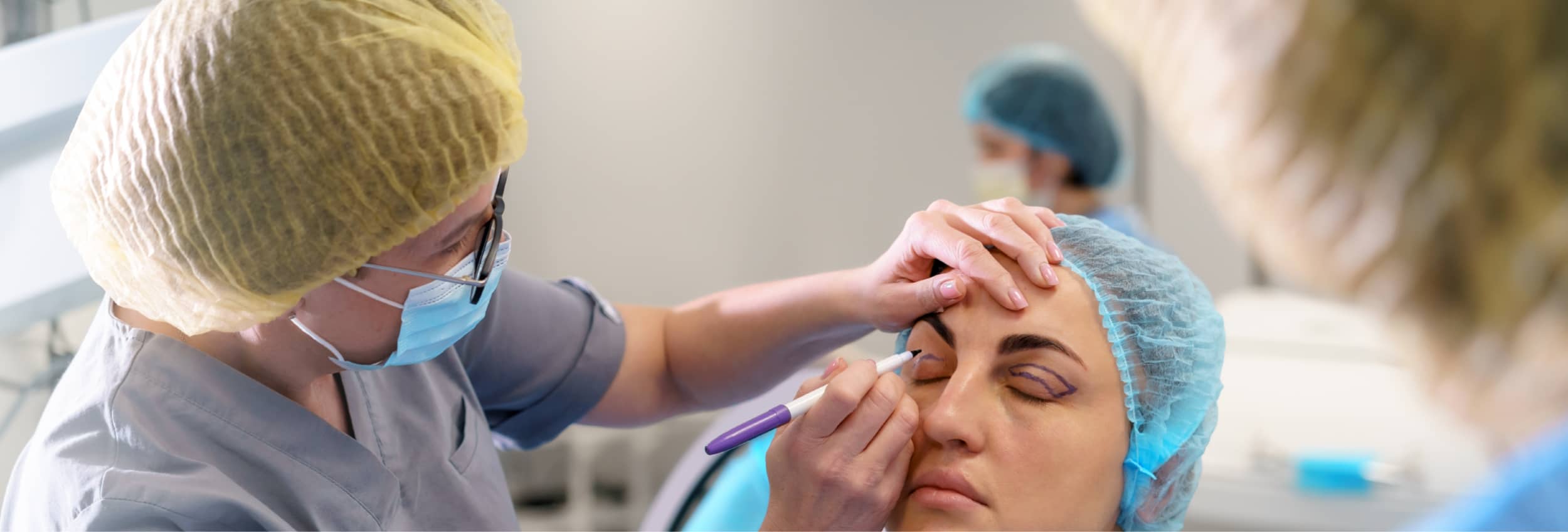
Upper eyelid
Upper eyelid surgery is particularly beneficial for those who experience vision impairment due to drooping skin or for individuals seeking to correct a tired or aged appearance. The result is a more open, alert appearance of the eyes, improved field of vision, and a smoother eyelid contour.
During the procedure, the surgeon makes a precise incision along the natural crease of the eyelid. Through this incision, excess skin, muscle and fat are carefully removed. The incision is then closed with fine sutures, which minimises the visibility of any scar.
Lower eyelid
Lower eye lid surgery is primarily performed to remove or reposition fat deposits, ("bags") under the eyes to reduce under-eye puffiness, minimise dark circles or hollows and tightening loose skin around the lower eyelid. The desired result is a more rested, rejuvenated look and a fresher facial appearance.
The incision is usually made just below the lashes or inside the eyelid (transconjunctival approach). This approach allows for the removal or repositioning of fat without leaving visible scars. If necessary, excess skin is delicately removed to enhance the overall appearance.
Good candidates
To be a good candidate for blepharoplasty, you should:
- Not have any serious eye conditions or medical issues that could impair healing
- Be a non-smoker or quit smoking prior to the surgery
- Have impaired vision due to drooping or sagging eyelids
- Have a tired or aged appearance caused by puffy eyelids
During consultation, your surgeon will evaluate what realistic results can be expected.

Risks
To understand the possible outcomes of eyelid surgery, you should discuss all potential risks and complications with your surgeon. Proper pre-surgical evaluations and following post-operative care instructions closely can help minimise common risks.
- Infection and bleeding: Some bleeding is normal immediately after the surgery, but significant bleeding is rare and the risk of developing an infection after blepharoplasty is relatively low thanks to surgeons taking preventive measures.
- Scarring: Although scars from the incisions are usually well concealed within the natural structures of the eyelid region, they can sometimes be more visible.
- Numbness: Some patients may experience temporary numbness of the eyelid skin after the procedure.
- Dry eyes: This can occur temporarily following eyelid surgery, especially if it was already a pre-existing condition.
- Difficulty closing your eyes: Some patients might find it temporarily difficult to close their eyes completely after the surgery; in rare cases, this could be permanent.
- Asymmetry: The eyes might appear uneven, although surgeons aim to ensure symmetry.
- Vision changes: Temporary blurred or double vision can occur, but persistent vision problems are rare.
- Under- or overcorrection: There is a risk that the surgery might not remove enough skin, or removes too much, requiring additional procedures.
Recovery
Post-operatively, patients may experience mild discomfort, swelling and bruising, which typically subside within one to two weeks. It is important to follow the surgeon's instructions regarding care and activities to facilitate a smooth and speedy recovery.
Patients are usually able to return to work and other normal activities within a week or two, though they should avoid strenuous activities and direct sun exposure for several weeks. Full aftercare instructions will be provided by your clinic, available through the Adoreal app, ensuring your recovery is as comfortable as possible.
When will you see the final results?
The final results of your blepharoplasty will gradually emerge as the swelling and bruising diminish. Most patients see the final outcomes within several weeks, but subtle changes can continue to develop for up to a year.
The results are long-lasting, rejuvenating the appearance of the eyes and surrounding areas. Many patients report enhanced self-confidence and satisfaction with their appearance, along with, in a lot of cases, improved peripheral vision and eye function.