


Breast tissue
preservation

Traditional methods for breast augmentation often involve heat-based dissection or aggressive surgical techniques that can compromise the breast’s internal support system.
However, breast tissue-preserving approaches focus on maintaining
the breast’s architecture, minimising trauma, and optimising long-term outcomes for patients.
The importance of
breast tissue preservation
By maintaining the integrity of supportive tissues and minimising surgical trauma, patients can experience a more natural look, improved healing and greater long-term stability of their results.

Protecting the natural support system
The breast’s internal structure consists of Cooper’s ligaments and fibrous septa, which provide shape, support, and contour. Traditional surgical methods using electrocautery or sharp dissection can damage these structures, potentially leading to a loss of the breast’s natural ‘internal bra’ effect over time. By preserving the ligaments, the breast is more likely to keep its natural shape and support.
Minimising trauma for improved healing
Techniques that limit thermal and mechanical disruption can enhance postoperative recovery and long-term results. Reducing or eliminating electrocautery minimises heat-related tissue damage, while gentle dissection methods help protect blood supply and reduce scarring. By maintaining a more natural surgical environment, these strategies create a more favourable healing environment and may decrease complications such as capsular contracture.
Surgical techniques supporting breast tissue preservation
Subglandular placement for less trauma
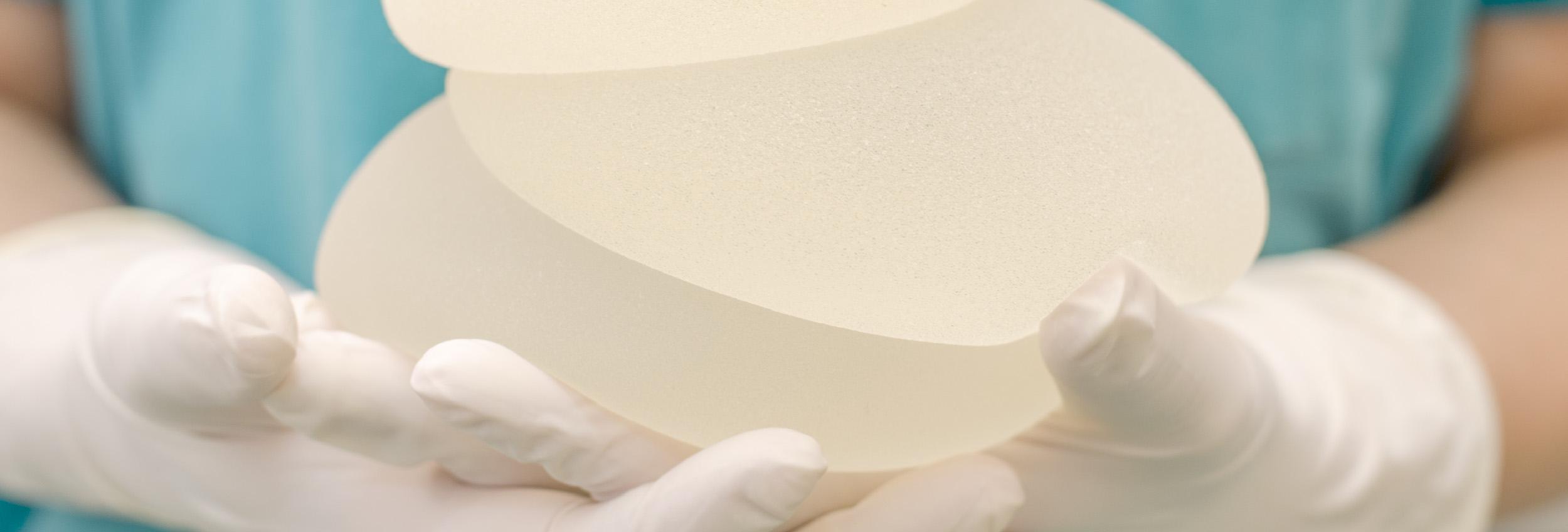
A subglandular implant placement (above the chest muscle) aligns with a breast
tissue-preserving philosophy by utilising natural planes within the breast without
excessive cutting. This approach avoids interference with the pectoral muscle, leading to:
- Less disruption of surrounding tissues
- Reduced postoperative pain and muscle-related implant movement
- A more natural breast shape, especially during movement
Blunt dissection and hydrodissection
Rather than using sharp instruments that can sever supportive tissues, modern breast augmentation techniques utilise balloon-assisted dissection and hydrodissection.
- Balloon dissection involves inserting a specialised balloon into the implant pocket, which is then inflated to gently separate tissue layers along their natural planes without shearing forces or heat damage.
- Hydrodissection uses fluid pressure to create space between tissues, reducing mechanical trauma and preserving ligamentous structures.
The Mia Femtech
technology
Unlike traditional methods, the Mia Femtech technique minimises the need for extensive dissection, preserving the breast’s natural internal structures while creating space for the implant in a controlled and gentle manner, leading to:
- Less disruption to ligaments and fibrous septa
- Reduced postoperative pain and swelling
- Natural-looking and long-lasting results
Patient benefits
By prioritising breast tissue preservation, patients may experience:
- More natural aesthetics and feel: The preserved internal ligaments contribute to a breast shape and texture closer to natural tissue.
- Lower risk of capsular contracture and scarring: Less tissue damage and inflammation may reduce complications.
- Faster recovery and reduced pain: With minimal trauma and bleeding, swelling and discomfort are often reduced, allowing for a quicker return to daily activities.
- Long-term stability of results: Maintaining the breast’s internal support structures can help prevent implant migration or downward drift over time.
Expertise and
patient selection
While breast tissue-preserving techniques offer numerous advantages, they require careful patient selection and surgical expertise.
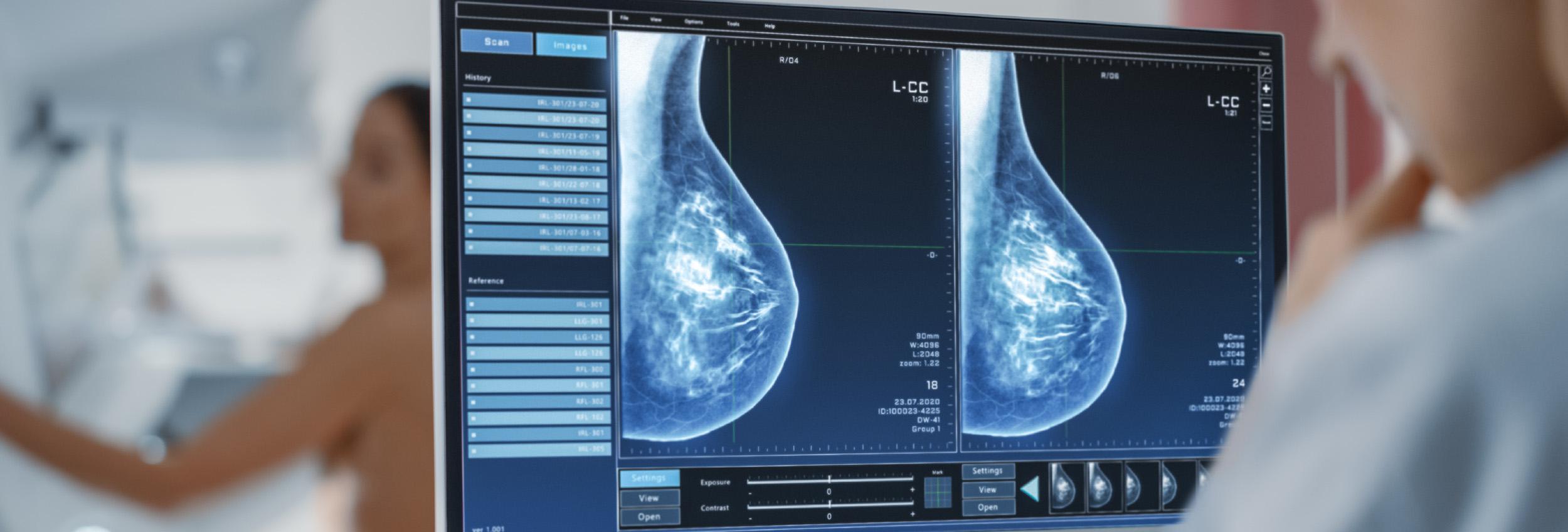
Factors such as existing breast tissue, skin elasticity, and implant choice influence the feasibility of these methods. Surgeons experienced in blunt dissection, subglandular placement, and minimal cautery use are best equipped to deliver optimal results using this approach.