


About Breast Augmentation
Breast augmentation is one of the most popular forms of cosmetic surgery globally. The procedure is performed both after mastectomy for breast cancer and for cosmetic reasons.
The procedure enhances shape and volume, providing personalised results that restore symmetry, improve body proportions, and contribute to greater self-confidence.
What is
breast augmentation?
Breast augmentation is a procedure that enlarges and enhances the breasts using implants or fat transfer. The surgery aims to enhance the size, shape, and symmetry of the breasts, and can be tailored to create a modest increase in size or more significant changes.
Breast Augmentation
step by step
Each step in the breast augmentation procedure will ensure your safety and satisfaction with the end result. No matter what clinic you choose, the procedure looks a lot the same.

Medical
evaluation
Before any surgical intervention, a thorough medical evaluation is conducted to assess your overall health and determine the best approach to meet your aesthetic goals and certain needs. The surgeon will examine your breasts, taking measurements and possibly photographs for your medical record.
Anaesthesia
On the day of the surgery, you will be given anaesthesia to ensure you remain comfortable and pain-free throughout the procedure. The type of anaesthesia typically used will put you to sleep during the operation.
If you choose to receive a breast harmony procedure using the Mia Femtech™ technology, no anaesthesia is needed as the procedure is focused on minimally invasive approach, giving the patient an increase of one to two cup sizes.
Incision
There are typically three different incisions methods.
- Inframammary incision
Made under the breast fold, offering direct access to place the implant, with the scar easily hidden by the breast itself.
- Periareolar incision
Places the incision around the nipple, blending the scar with the change in skin texture and colour. - Transaxillary incision
Placed in the armpit, leaving no scar on the breast itself and is widely used for its ability to hide scars. Sometimes, endoscopic surgery is done as well when using this incision.
Together with your surgeon, you will decide what technique is best suited for your desired degree of enlargement, as well as on the type of implant that will be used.
Insertion of
implant
After the incision, the breast implant is inserted into a pocket, either under the pectoral muscle or directly behind the breast tissue.
- Under the pectoral muscle
May reduce the visibility of the implant, but can involve a slightly more extended recovery period. - Directly behind the breast tissue
Often chosen for its natural movement and shorter recovery time.
Before the procedure, you will discuss the ultimate insertion and placement for your body and your desired aesthetic outcome.
You will also have questions answered about subsequent mammography and breast imaging, when the time comes that it is indicated.
Closing the incision
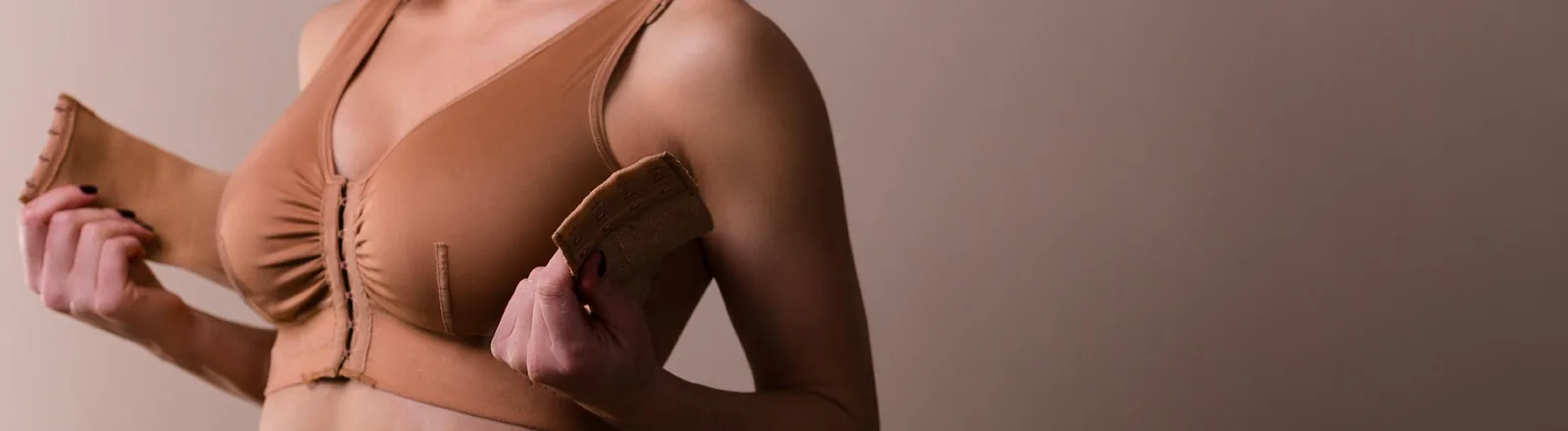
Once the breast implants are properly positioned, the surgeon closes the incisions with meticulous care, using sutures, skin adhesive or surgical tape. The primary goal is to minimise scarring, while ensuring the incision heals correctly and securely. After the incision is closed, the area is typically wrapped in bandages or a surgical bra to support the breasts during the initial recovery phase.
Recovery
Immediately following the surgery, it's common to experience swelling, soreness, and a degree of discomfort, which can be managed with prescribed medications. You will be provided with recovery guidelines by your surgeon to help you care for your incisions, recommended post-operative garments and limitations on physical activity. By following these guidelines, you can speed up breast augmentation recovery.
Note that complete healing and final results can take several weeks to months.
Follow-up
Follow-up appointments allow your surgeon to monitor your healing, address any concerns and ensure that the implants are settling as expected.
The first follow-up is typically scheduled within a week after surgery, with subsequent visits depending on your specific case and surgeon’s advice. Take the opportunity to use these appointments to ask questions and discuss any symptoms you are experiencing with your surgeon – they will be able to provide advice on any necessary adjustments to support your recovery.
Perhaps, you have questions regarding any of the following:
- How to sleep after breast augmentation
- What to expect one month post-op
- How soon after breast augmentation you can workout
- What to wear after breast augmentation
More about
breast augmentation
Deciding to go through with a breast augmentation is deeply personal and involves various considerations to ensure the results align with your expectations and lifestyle.
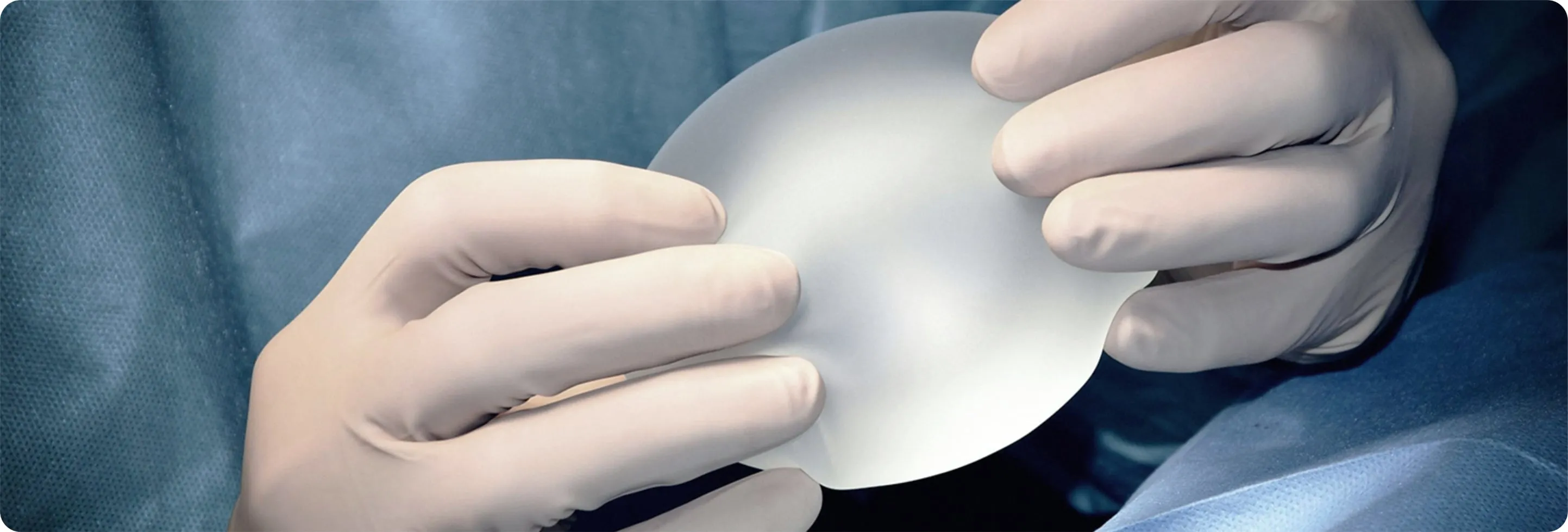
Breast implants
There are two primary types of breast implants, each with its own set of characteristics:
• Saline implants are filled with sterile salt water. They are inserted empty, and then filled once they are in place, allowing for a smaller incision. Saline implants can feel less natural than silicone but provide a uniform shape, firmness and feel.
• Silicone implants are pre-filled with silicone gel, a thick fluid that closely mimics the feel of human fat, providing a more natural tissue feel than saline options. Most women believe that silicone breast implants look and feel like natural breast tissue.
What size to choose
The appropriate implant size depends on various factors, such as your body frame, existing breast tissue, skin elasticity, and personal preference.
Surgeons often use sizers, placed inside a bra to give an idea of the new size's appearance. With modern 3D imaging technology, you can also get a virtual representation of how different sizes might look on your body. Ultimately, the choice of size should give you a proportionate and satisfying result that complements your overall body shape.
Potential side-effects
Breast augmentation is generally safe and most patients are happy with the results, but like any surgery, it comes with risks and potential side-effects.
- Capsular contracture
- Implant rupture or leakage
- Changes in sensation
- Breast pain
- Cosmetic concerns
Our aim is to help you feel safe before, during and after the breast augmentation procedure, providing you a lifetime of support.