


About Fillers
Dermal fillers are injections that add volume to your lips, cheeks, jawline and other facial features to achieve a more youthful appearance and enhance shallow contours.
What are
dermal fillers?
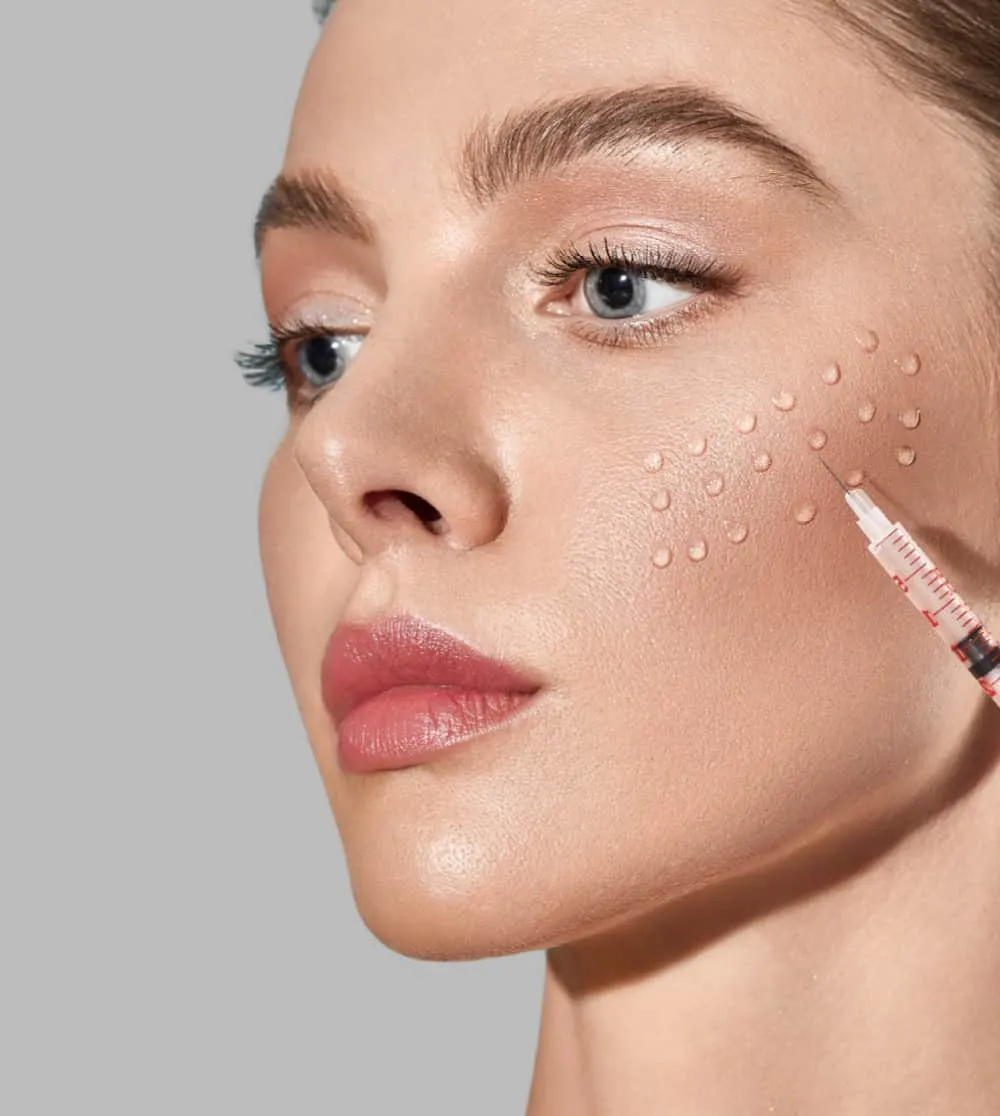
Dermal fillers are gel-like substances injected beneath the skin to restore lost volume, smooth lines, soften creases or enhance facial contours.
How do
fillers work?
Dermal fillers work by boosting the skin's supply of hyaluronic acid, revitalising and adding volume to the skin. The gel is injected into the skin in tiny amounts with a very fine needle. The hyaluronic acid in the fillers attracts moisture, which helps to plump up the area, resulting in a smoother, more youthful appearance. The results are natural-looking and subtle, with immediate visible effects.

Injection sites
Hyaluronic acid injections can enhance and refresh different areas of the face with precise, natural-looking results.
Lips
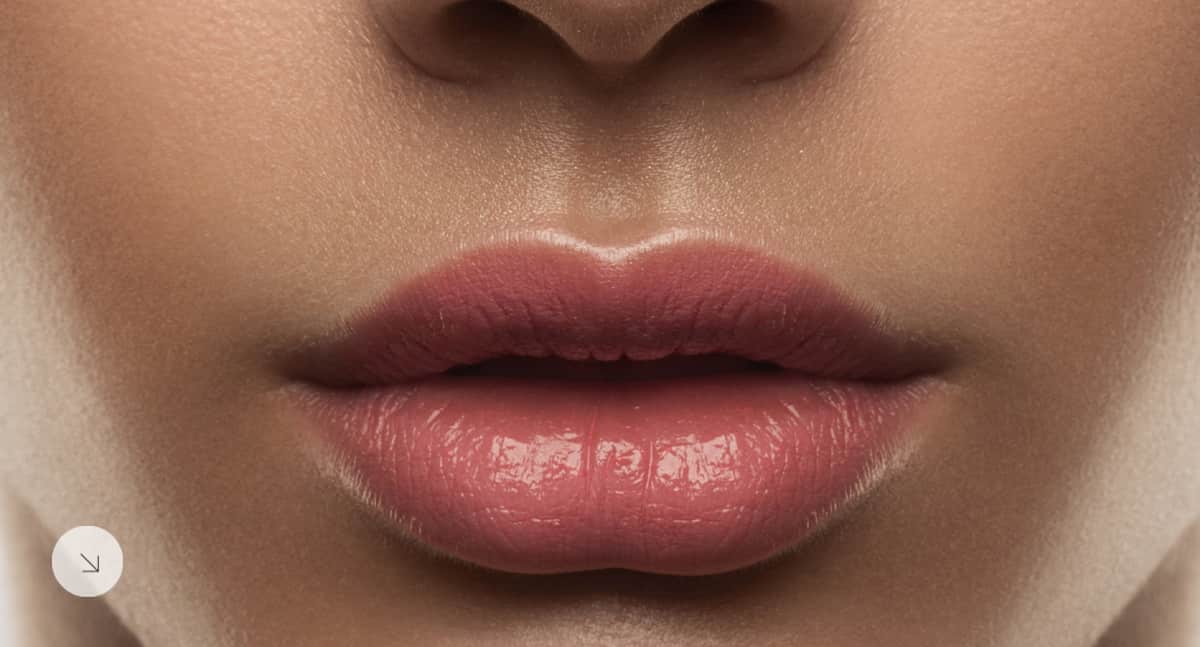
Lip fillers add volume, shape, and hydration, making the lips look fuller and more defined. Whether you want a subtle boost or a plumper look, lip fillers enhance the natural contours and smooth out fine lines for a soft, balanced result.
Cheek
Adding filler to the cheeks restores lost volume and enhances the cheekbones, giving the face a fresher and more lifted look. It can also improve facial balance and make the skin appear smoother and more youthful.
Chin
Chin fillers help define and reshape the lower face, whether by adding projection, evening out asymmetry, or creating a stronger profile. This treatment brings more harmony to facial features without surgery.
Nose
Nose fillers are a quick, non-surgical way to smooth bumps, refine the tip, or correct minor asymmetries. It’s a popular option for subtle changes that enhance the nose’s shape without downtime.
Jaw
Fillers along the jawline create a more sculpted and defined look by enhancing contours and reducing the appearance of jowls. It’s a great way to sharpen the profile and bring more structure to the lower face.
Under
the eyes
Tear trough fillers reduce hollows and dark circles, making the under-eye area look smoother and less tired. The treatment brightens up the face and gives a more rested, refreshed impression.
The procedure for
dermal fillers
Consultation
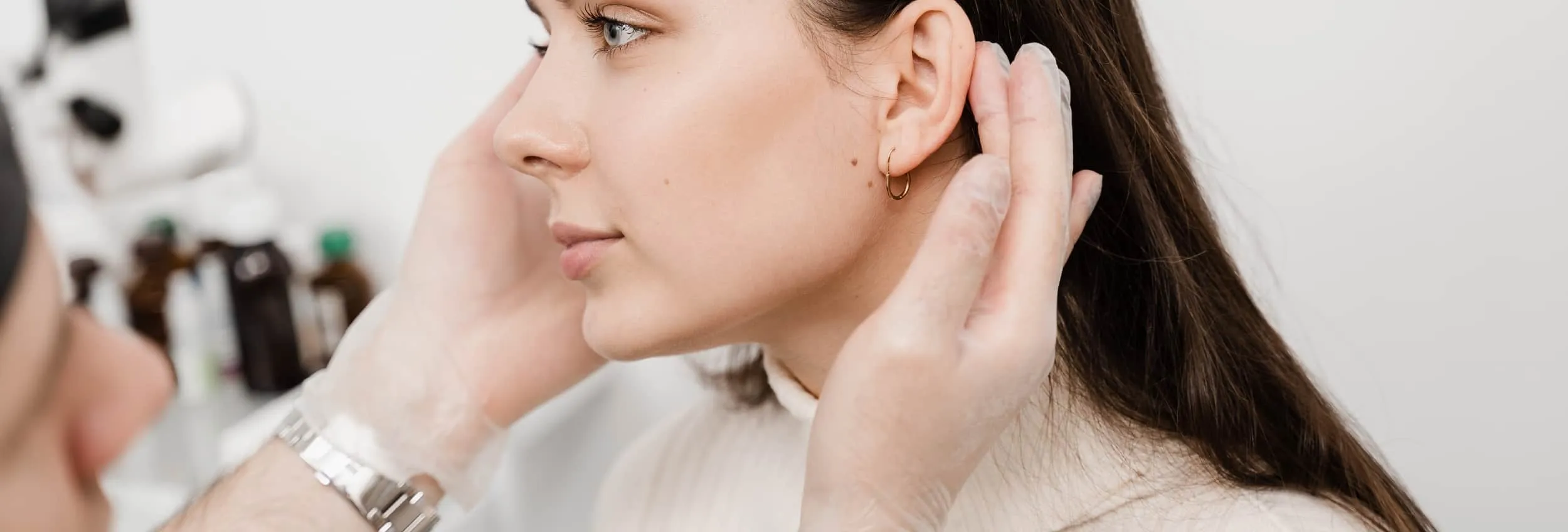
During a consultation, your practitioner will assess your facial structure and discuss your aesthetic aspirations to ensure the treatment aligns with your goals. They will review your medical history to confirm safety, explain the various filler options and expected outcomes, and devise a personalised treatment plan.
Injection
The filler is injected with a fine needle or cannula, targeting specific areas of the face with precision. A numbing agent is often used to keep the treatment as comfortable as possible, and the whole process usually takes less than an hour.
Results
The results of dermal fillers are immediately noticeable and can be enhanced by the care taken in the days and weeks following the procedure.
Typically, results can last from 6 to 18 months. Lip fillers often require more frequent touch-ups, given the high mobility of the area. Note that the longevity varies depending on the type of filler used, the area treated and individual factors such as metabolism, lifestyle and skin condition.
Aftercare
Following your treatment, you will be provided comprehensive aftercare instructions to ensure optimal results and comfort. Key recommendations include:
• Avoiding excessive sun exposure
• Applying ice to reduce swelling
• Refraining from touching the treated areas unnecessarily
Many clinics also recommend scheduling follow-up appointments to assess the
treatment's progress and address any concerns.
Risks and
side-effects
While filler treatments are widely regarded as safe and effective, you should approach any aesthetic treatment with awareness and understanding. Common side-effects may include:
• Temporary redness
• Swelling
• Bruising
• Tenderness
• Allergic reactions
• Infection
• Asymmetry
When you
should refrain
from fillers
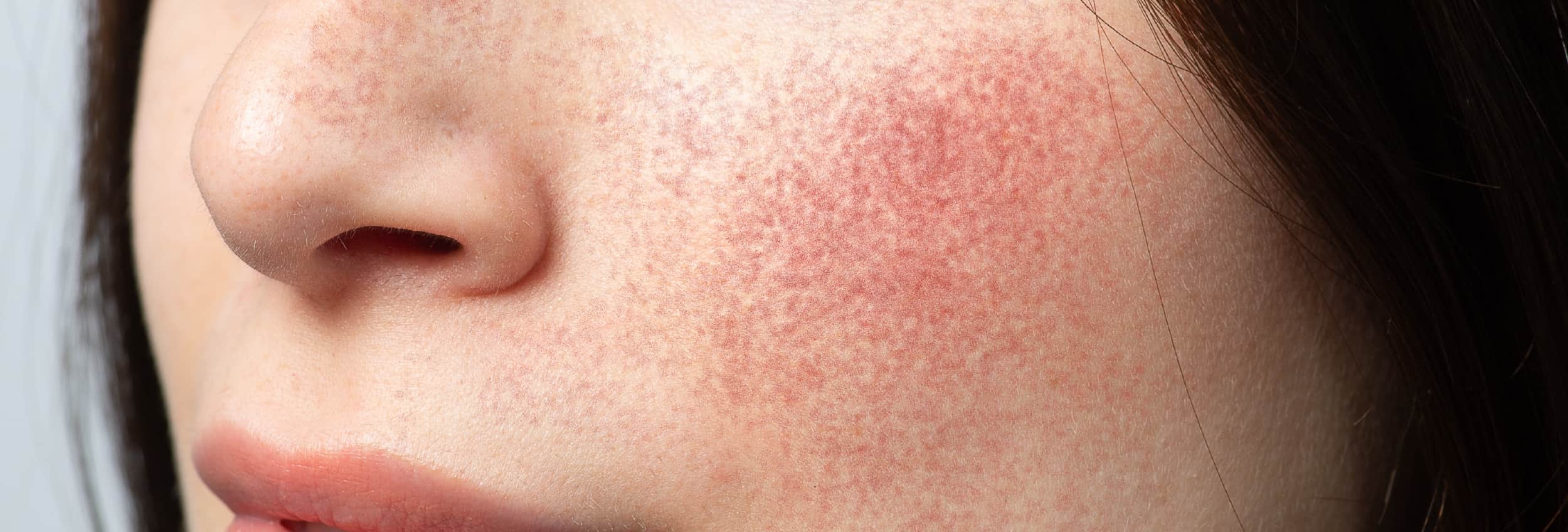
For safety reasons, some people should avoid dermal fillers. These include:
• During pregnancy or breastfeeding
• If you have a history of severe allergies or anaphylaxis
• In the presence of active skin infections or inflammation near the treatment area
• If you are taking medications that can increase bleeding or bruising risk
• If you have autoimmune conditions that may affect healing
During your consultation, a specialist will conduct a thorough assessment of your medical history and discuss any concerns to determine if a filler treatment is a suitable option for you.