

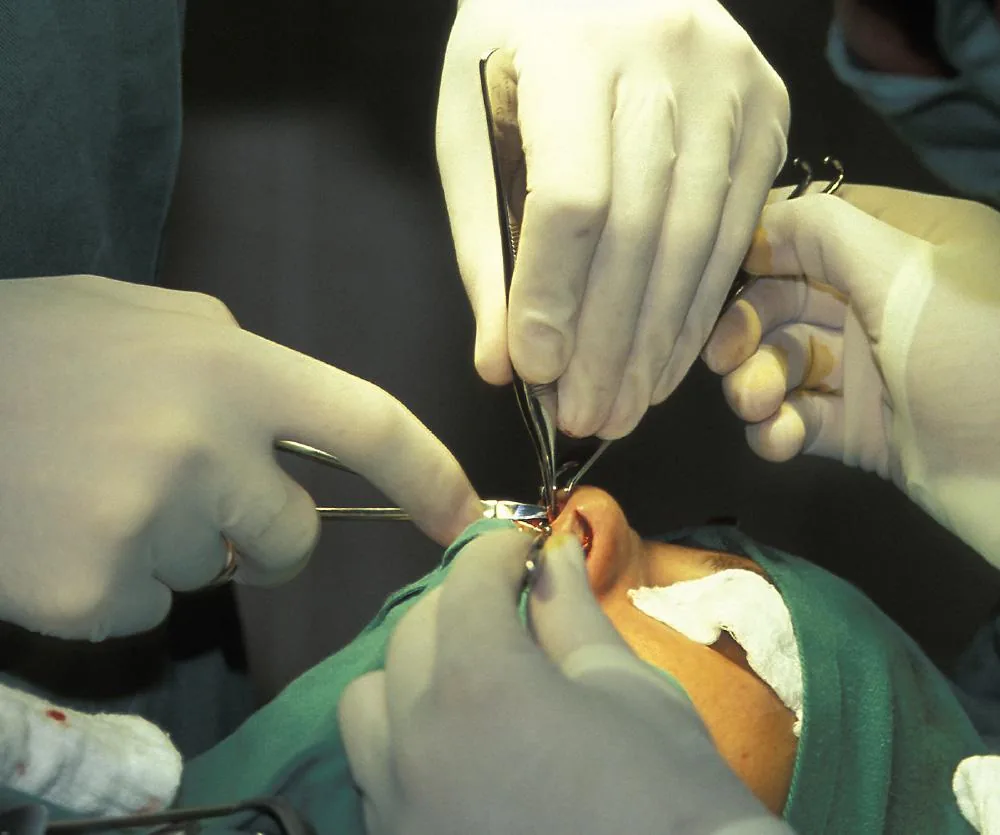
Nasal congestion is common after septoplasty and can persist for several weeks. Although, much of the initial swelling improves within the first 2-4 weeks, you may experience some degree of blockage or congestion for up to 6 to 8 weeks after septoplasty. In some cases, it can take as long as 3 months before the airway feels completely clear. This is due to residual swelling, scar tissue formation inside the nose, which takes time to resolve even if the external appearance seems normal earlier. Untreated underlying conditions like allergies or sinusitis may also cause a blocked nose after septoplasty.
If congestion lasts longer, consult your surgeon for further evaluation.

It is also normal to experience an increase in mucus production in the weeks following septoplasty. The procedure causes irritation and swelling of the nasal lining, which triggers the body's natural response to produce more mucus. This excess mucus helps to keep the nasal passages moist and protect them during the healing process. As the swelling subsides and the tissues recover, mucus production will gradually return to normal levels.
Using regular saline nasal rinses is how to get rid of mucus after septoplasty. They gently flush out mucus, keeping the nasal passages clean and moist as well as helping prevent crusting and reducing the risk of infection.
Using regular saline nasal rinses is how to get rid of mucus after septoplasty. They gently flush out mucus, keeping the nasal passages clean and moist as well as helping prevent crusting and reducing the risk of infection.
Use a sterile saline solution or a product recommended by your surgeon, and follow their instructions carefully. Avoid using forceful sprays or strong suction devices, as these can irritate the healing tissues. You should also make sure to stay well hydrated by drinking plenty of fluids, which can help thin the mucus and make it easier to clear naturally.
Avoid blowing your nose for at least the first week, as this can cause bleeding or interfere with the healing process. After the first week, you can gently blow your nose if advised by your surgeon, but always do so carefully.

At Adoreal, we are committed to supporting you throughout your recovery journey. Our platform offers easy access to your surgeon for any post-operative concerns, ensuring you receive timely advice and care. Register with Adoreal to stay connected with your healthcare provider and access a wealth of resources to aid your recovery.